
Focus, Performance & Motivation

HomeServices – Focus, Performance & Motivation

About This Service Category

Focus, Performance & Motivation Hypnosis

Focus and motivation are not traits you force through effort — they are internal states that shape how attention, energy, and follow-through are deployed. Work in this category focuses on improving access to productive mental states so performance becomes more consistent and less effortful across demanding situations

Looking to improve focus, motivation, or performance?

See if we have a hypnotist near you. In-person availability varies by region and may change as practitioners become available.

Focus Areas in this category

Common Focus, Performance & Motivation Challenges

Performance-related challenges often arise when attention and energy are misallocated rather than absent. This category includes situations where ability is present, but focus, drive, or follow-through breaks down under pressure, fatigue, or competing demands.

Difficulty Sustaining Focus

Work focused on improving the ability to maintain attention without constant mental drift, distraction, or task-switching. This includes challenges with concentration during work, study, or complex tasks.

Low or Inconsistent Motivation

Support for motivation that fluctuates despite clear goals or incentives. This work targets access to drive and engagement rather than willpower or self-discipline alone.

Performance Under Pressure

Hypnosis work addressing drops in performance when stakes increase. This includes presentations, leadership decisions, testing, competition, or high-visibility work situations.

In some cases, performance pressure overlaps with confidence challenges.

Procrastination Linked to Focus or Energy

Work focused on task delay driven by mental overload, fatigue, or difficulty initiating rather than avoidance rooted in fear.

Avoidance driven by threat may relate more closely to anxiety-based responses.

Mental Fatigue & Cognitive Overload

Support for situations where sustained demand leads to reduced clarity, slower thinking, or diminished follow-through. The goal is restoring usable focus rather than pushing harder.

Decision Initiation & Follow-Through

Support for difficulty starting decisions, committing to action, or carrying plans through consistently, even when priorities are clear.

These examples represent common focus areas within focus, performance, and motivation work. They are not a complete list, and suitability is determined during an initial strategy call.

Applied Session Flow

How Hypnosis Is Used for Focus, Performance & Motivation

Focus and motivation depend on how attention and energy are organized internally. Sessions focus on improving access to productive mental states so effort is directed efficiently rather than scattered or depleted.

1.

Identify Attention Patterns

We clarify where focus drops, what disrupts it, and how attention is currently allocated across tasks and demands.

2.

Define the Desired State

We define what effective focus or motivation looks like in practical terms, such as sustained engagement, ease of initiation, or steadiness under demand.

3.

Adjust Internal Access

Sessions work to make productive states easier to access when needed, reducing friction between intention and action.

4.

Test and Stabilize

The adjusted state is checked against real-world demands to ensure it holds up during fatigue, pressure, or competing priorities.

Common Experiences

What Clients Often Notice

Clients working on focus and performance often describe improvements in consistency rather than dramatic bursts of productivity.

Easier Task Initiation

Starting tasks tends to require less mental negotiation or delay.

Improved Sustained Attention

Focus may last longer with fewer interruptions or lapses.

Focus may last longer with fewer interruptions or lapses.

Clients often feel less drained by the same workload due to better allocation of attention.

Greater Follow-Through

Projects and responsibilities are completed more reliably rather than left half-finished.

How We Practice Therapeutic Hypnosis

In-Person vs Virtual

Sunshine State Hypnosis offers both in-person and virtual therapeutic hypnosis sessions, guided by the same professional standards. The choice of format is based on client needs, practitioner judgment, and the nature of the work being done — not convenience alone.

In-Person Sessions

in-person sessions allow for the highest level of calibration and responsiveness. Working together in the same physical space makes it possible to observe subtle changes in posture, breathing, and attention, and to adjust the session moment by moment as those responses shift. Many clients prefer in-person work when addressing deeply ingrained habits, instinctive reactions, or complex patterns, where immediacy and direct interaction can add depth and precision to the process.

Virtual Sessions

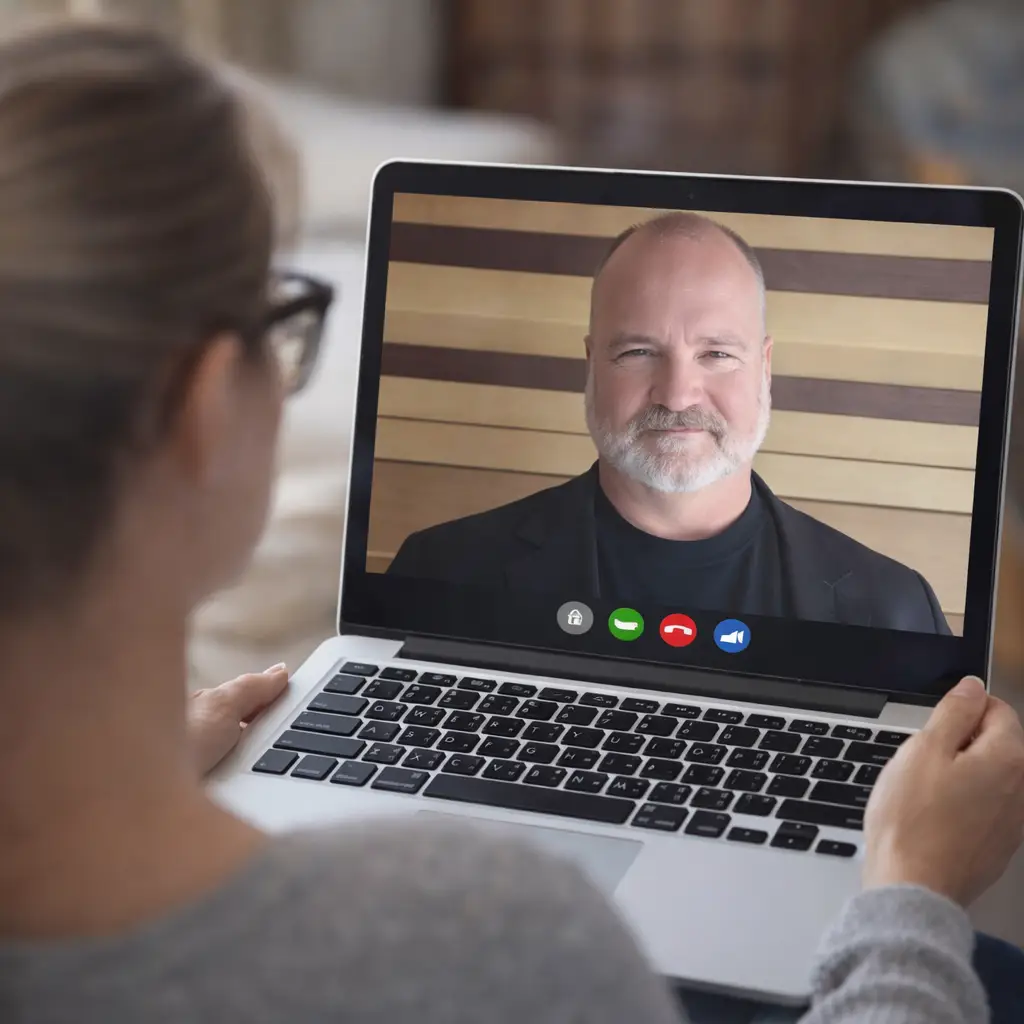
Virtual hypnosis sessions offer a flexible and effective option for many goals, particularly when focus, habit change, or structured guidance is the primary need. Sessions are conducted live and one on one, with the same clarity of intent and professional standards applied throughout. Virtual sessions are available statewide and can be a practical choice for clients who prefer convenience or do not have access to a nearby location.

"The effectiveness of the work comes from attention and calibration, not the format in which it’s delivered."

Harry Pierce, CHT

Scope of Services

What You Can Expect From Hypnosis

Sunshine State Hypnosis provides therapeutic hypnosis focused on symptom management, habit change, and the reduction of unwanted responses. The work is practical and goal-directed, helping clients respond differently to specific situations rather than addressing underlying medical or mental health conditions.

Hypnosis services are not a substitute for medical, psychological, or psychiatric care and are offered within appropriate professional scope.

Clients Who Complete Their Intended Work
0%
Clients Reporting Noticeable Change*
0%
*based on client self-report during follow-up
0 +

Client Sessions Conducted

0 +

Years of Applied Practice*

*combined practitioner experience