
About This Service Category
Phobias, Triggers & Learned Responses Hypnosis
Phobias and emotional triggers are learned responses that activate automatically when a specific cue is present. Work in this category focuses on changing how the nervous system responds to these cues, allowing the situation to occur without triggering the same fear, panic, or avoidance response.
Looking for help with a specific fear or trigger?
See if we have a hypnotist near you. In-person availability varies by region and may change as practitioners become available.
Focus Areas in this category
Common Phobias & Trigger-Based Challenges
Trigger-based responses are often fast, specific, and disproportionate to the actual situation. This category includes cases where the reaction is immediate and difficult to control, even when the person understands it logically.

Specific Phobias
Work focused on fears tied to particular objects or situations such as flying, heights, driving, needles, medical procedures, or confined spaces. These responses are typically learned quickly and reinforced automatically.

Emotional Triggers & Reactivity
Support for strong emotional reactions linked to specific cues, words, situations, or interactions. This includes responses that feel “instant” and difficult to interrupt.

Panic Responses Linked to Triggers
Targeted work for panic reactions that arise in response to identifiable triggers rather than generalized anxiety. The goal is changing the response rather than managing symptoms.
Generalized anxiety may fit better under threat-based work.

Avoidance Patterns
Work addressing avoidance behaviors that develop in response to fear or discomfort. These patterns often expand over time and restrict daily life.
Avoidance driven by habit rather than fear may overlap with behavior change work.

Conditioned Physical Responses
Support for physical reactions such as dizziness, nausea, tightness, or shaking that occur automatically in response to specific cues.
These responses may overlap with mind–body work.

Learned Safety Behaviors
Work focused on behaviors that develop to prevent feared outcomes (checking, reassurance-seeking, control behaviors) and unintentionally reinforce the trigger-response loop.

These examples represent common focus areas within phobia and trigger-based work. They are not a complete list, and suitability is determined during an initial strategy call.
Applied Session Flow
How Hypnosis Is Used for Phobias & Learned Responses
Phobias and triggers operate through conditioned associations rather than conscious reasoning. Sessions focus on separating the trigger from the learned response and establishing a neutral or appropriate reaction in its place.
1.
Identify the Trigger-Response Link
We clarify what specifically triggers the response and how the reaction unfolds automatically.
2.
Define the Desired Reaction
We define what a neutral or functional response looks like when the trigger is present, keeping the target clear and observable.
3.
Unlink the Conditioned Response
The trigger is disconnected from the old fear or panic response and paired with a calmer, more proportionate reaction.
4.
Test and Stabilize
The new response is checked against real-world exposure to ensure it remains steady and reliable beyond the session.
Common Experiences
What Clients Often Notice
Clients working on phobias and learned responses often report clear and noticeable shifts in how they react to previously triggering situations.

Reduced or Absent Fear Response
Situations that once triggered fear may feel neutral or manageable.

Increased Sense of Control
Clients often feel less at the mercy of automatic reactions.

Decreased Avoidance
Situations previously avoided may become accessible again without force or dread.

Greater Calm in Triggering Contexts
Physical and emotional responses tend to remain steadier when triggers are encountered.

How We Practice Therapeutic Hypnosis
In-Person vs Virtual
Sunshine State Hypnosis offers both in-person and virtual therapeutic hypnosis sessions, guided by the same professional standards. The choice of format is based on client needs, practitioner judgment, and the nature of the work being done — not convenience alone.
In-Person Sessions
In-person sessions allow for the highest level of calibration and responsiveness. Many clients prefer in-person work for phobias and trigger-based responses where immediate feedback and real-time adjustment can add depth and precision.
Virtual Sessions
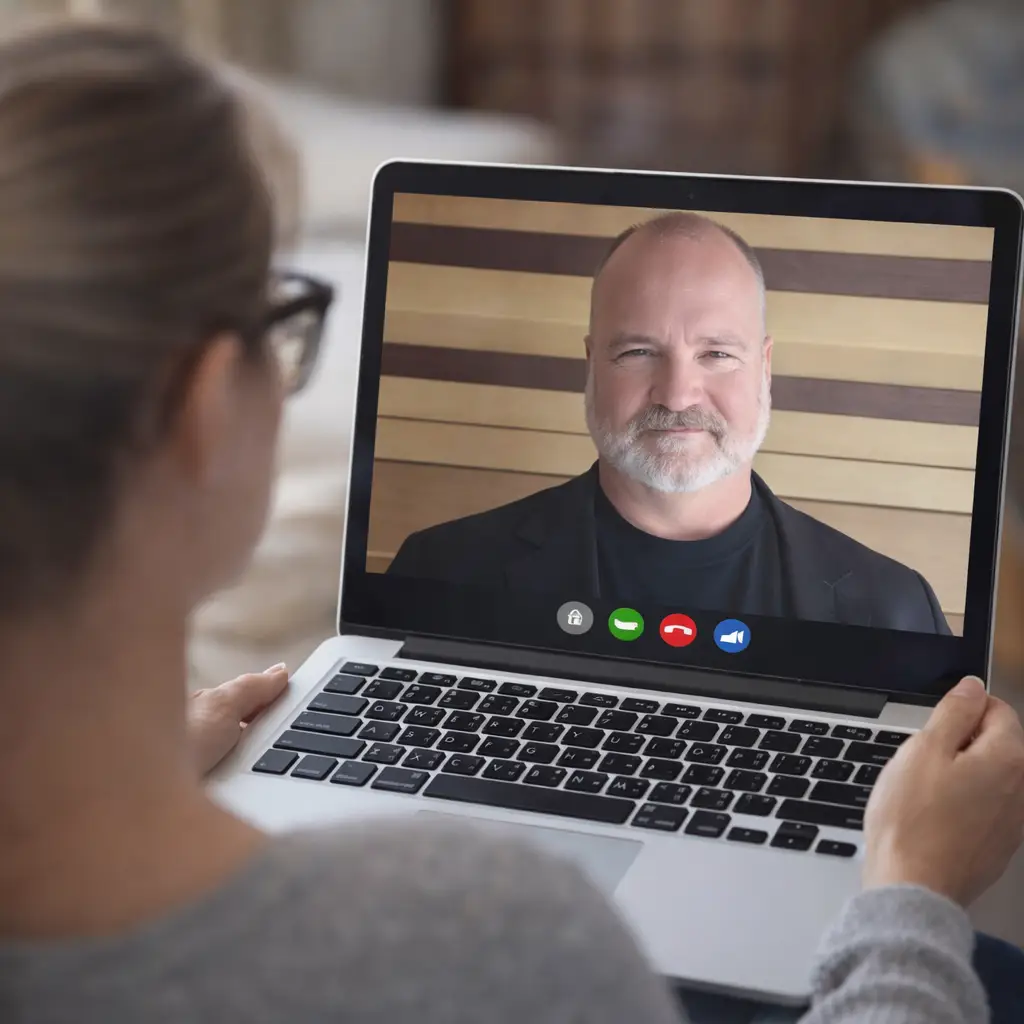
Virtual hypnosis sessions can also be effective for specific phobias and learned responses when the work focuses on internal response change rather than environmental exposure. Sessions are conducted live and one on one and are available statewide.
“When the response changes, the trigger loses its power.”
Harry Pierce, CHT
Scope of Services
What You Can Expect From Hypnosis
Sunshine State Hypnosis provides therapeutic hypnosis focused on changing learned responses and reducing automatic reactions. The work supports practical change without diagnosing or treating medical or psychological conditions.
Hypnosis services are not a substitute for medical, psychological, or psychiatric care and are offered within appropriate professional scope.
Client Sessions Conducted
Years of Applied Practice*