

Pain & Mind–Body Support

HomeServices – Pain & Mind–Body Support

About This Service Category

Pain & Mind–Body Support Hypnosis

Pain and physical discomfort are shaped not only by tissue and physiology, but also by how the nervous system processes and responds to sensation. Work in this category focuses on helping clients change their relationship to pain and bodily signals, supporting greater comfort, regulation, and functional control without addressing medical causes.

Looking for support with pain or physical discomfort?

See if we have a hypnotist near you. In-person availability varies by region and may change as practitioners become available.

Focus Areas in this category

Common Pain & Mind–Body Challenges

Pain-related challenges often persist when the nervous system remains sensitized, guarded, or reactive. This category includes situations where discomfort continues beyond acute injury or is influenced by stress, attention, or learned response patterns.

Chronic Pain Patterns

Support for ongoing pain that remains present despite healing or medical management. The focus is on changing how the nervous system processes and responds to sensation rather than eliminating physical causes.

Stress-Related Physical Symptoms

Work addressing physical symptoms that intensify under stress, such as muscle tension, headaches, jaw clenching, or digestive discomfort.

These patterns often overlap with emotional regulation work.

Tension & Somatic Holding

Hypnosis support for habitual physical tension or bracing that occurs automatically, often without conscious awareness. This includes holding patterns that contribute to discomfort or fatigue.

Pain Sensitivity & Anticipatory Discomfort

Work focused on reducing heightened sensitivity or anticipation of pain that amplifies physical experience beyond the immediate stimulus.

In some cases, anticipatory discomfort overlaps with threat-based responses.

Recovery Support & Physical Resilience

Support for improving comfort and regulation during physical recovery, rehabilitation, or ongoing physical demands. The emphasis is on supporting adaptation rather than accelerating medical healing.

Learned Pain Responses

Targeted work for pain patterns that have become conditioned over time, where the response persists even when the original trigger is no longer present.

These examples represent common focus areas within pain and mind–body support work. They are not a complete list, and suitability is determined during an initial strategy call.

Applied Session Flow

How Hypnosis Is Used for Pain & Mind–Body Support

Pain perception is influenced by attention, expectation, and learned nervous-system responses. Sessions focus on adjusting how physical sensations are interpreted and responded to, allowing discomfort to become more manageable and less intrusive.

1.

Identify the Pattern

We clarify how pain or discomfort shows up, what increases or decreases it, and how attention and stress influence the experience.

2.

Define the Desired Relationship to Sensation

Rather than eliminating sensation, we define what improved comfort and control look like in practical terms, such as reduced intensity, shorter duration, or less interference with daily activity.

3.

Regulate the Sensory Response

Automatic pain amplification and guarding responses are adjusted, allowing the nervous system to respond more proportionately to physical input.

4.

Test and Stabilize

The adjusted response is checked against real-life movement, activity, or stress to ensure comfort and regulation hold outside the session.

Common Experiences

What Clients Often Notice

Clients working on pain and mind–body support often report changes in how discomfort affects them rather than sudden disappearance of sensation.

Reduced Intensity or Intrusiveness

Pain may feel less dominant or demanding of attention, even if sensation is still present.

Improved Sense of Control

Clients often feel more capable of influencing how their body responds to discomfort.

Less Stress Amplification

Physical sensations may escalate less under stress or fatigue.

Greater Ease of Movement or Activity

Many clients notice they engage more freely in daily activities without constant monitoring or guarding.d.
How We Practice Therapeutic Hypnosis

In-Person vs Virtual

Sunshine State Hypnosis offers both in-person and virtual therapeutic hypnosis sessions, guided by the same professional standards. The choice of format is based on client needs, practitioner judgment, and the nature of the work being done — not convenience alone.

In-Person Sessions

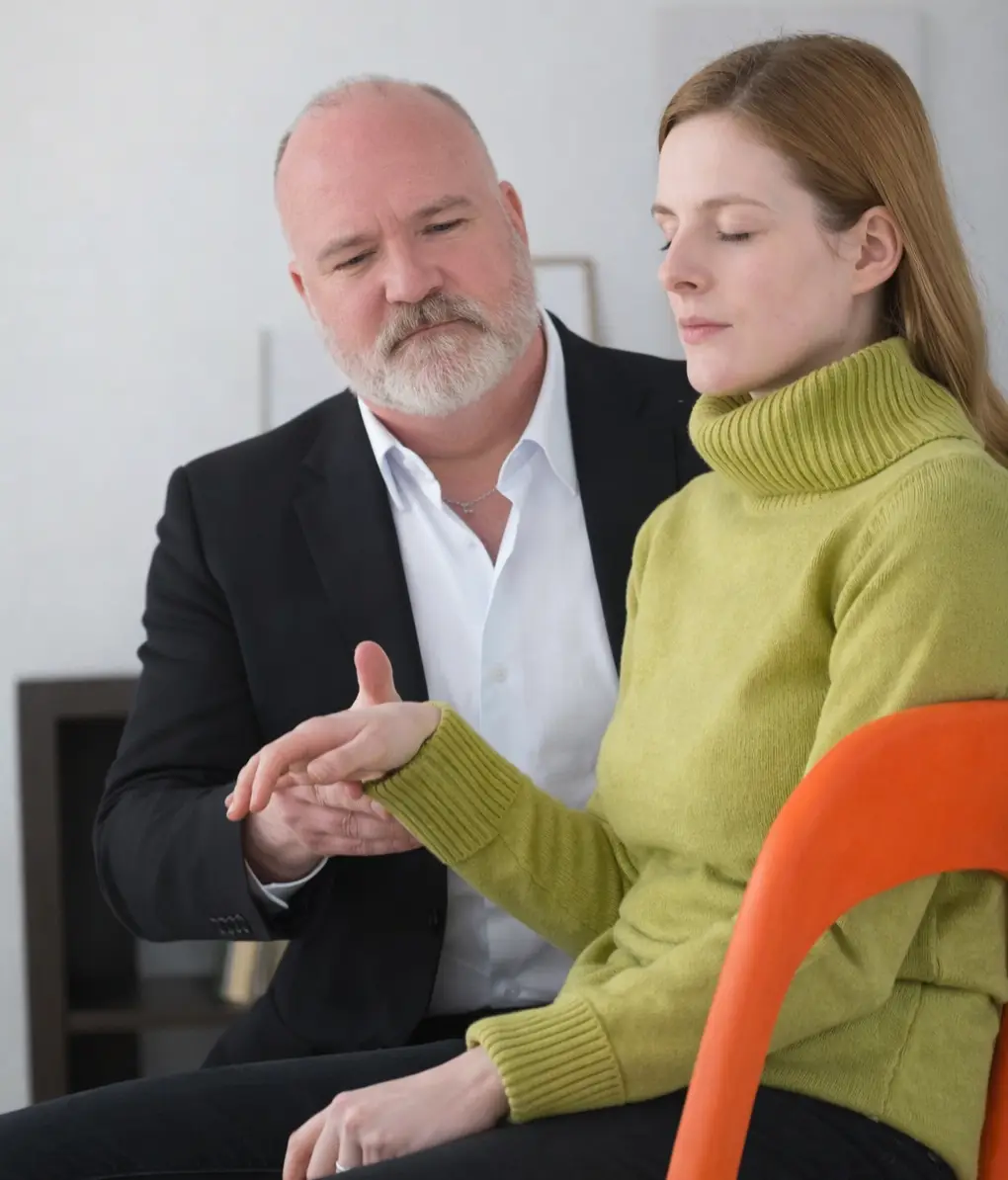
In-person sessions allow for the highest level of calibration and responsiveness. Working together in the same physical space makes it possible to observe subtle changes in posture, breathing, and attention, and to adjust the session moment by moment as those responses shift. Many clients prefer in-person work when addressing complex or long-standing physical patterns, where immediacy and direct interaction can add depth and precision to the process.

Virtual Sessions

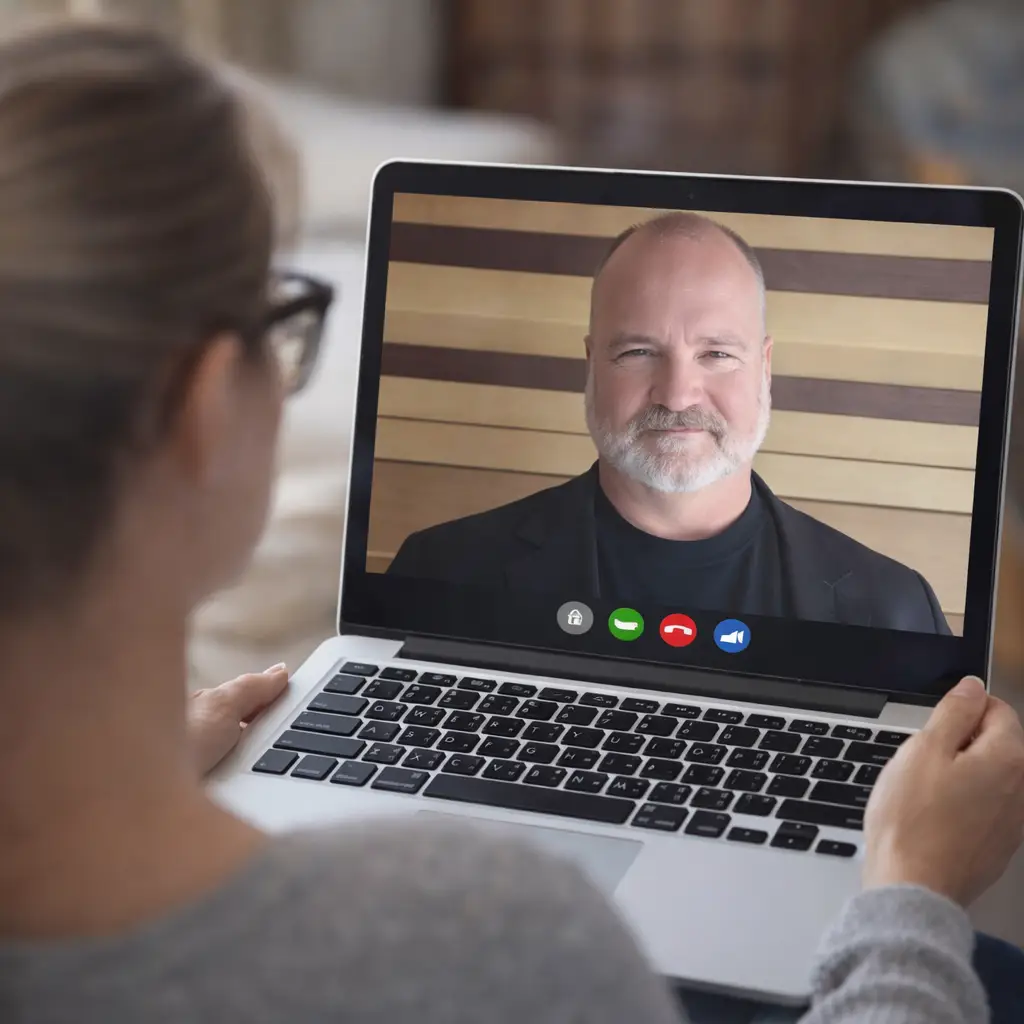
Virtual hypnosis sessions offer a flexible and effective option for many mind–body goals, particularly when the work focuses on internal regulation rather than physical assessment. Sessions are conducted live and one on one, with the same clarity of intent and professional standards applied throughout. Virtual sessions are available statewide and can be a practical choice when in-person access is limited.

“The goal isn’t to eliminate sensation, but to change how it’s experienced.”

Harry Pierce, CHT

Scope of Services

What You Can Expect From Hypnosis

Sunshine State Hypnosis provides therapeutic hypnosis focused on symptom management, comfort regulation, and improving functional response to physical sensations. The work supports mind–body interaction without diagnosing or treating medical conditions.

Hypnosis services are not a substitute for medical, psychological, or psychiatric care and are offered within appropriate professional scope.

Clients Who Complete Their Intended Work
0%
Clients Reporting Noticeable Change*
0%
*based on client self-report during follow-up
0 +

Client Sessions Conducted

0 +

Years of Applied Practice*

*combined practitioner experience